A Wilderness Rite of Passage Adventure Camp for Young Men Ages 13-20
Young Men's
Ultimate Weekend
YMUW WEEKEND EVENTS COMING UP:
Thursday-Sunday
June 18-21 2026
Eco-Camp, Lake Berryessa, Napa CA
Friday-Sunday
August 21-23 2026
Santa Cruz Mountains, CA

Learn About YMUW From The Founder
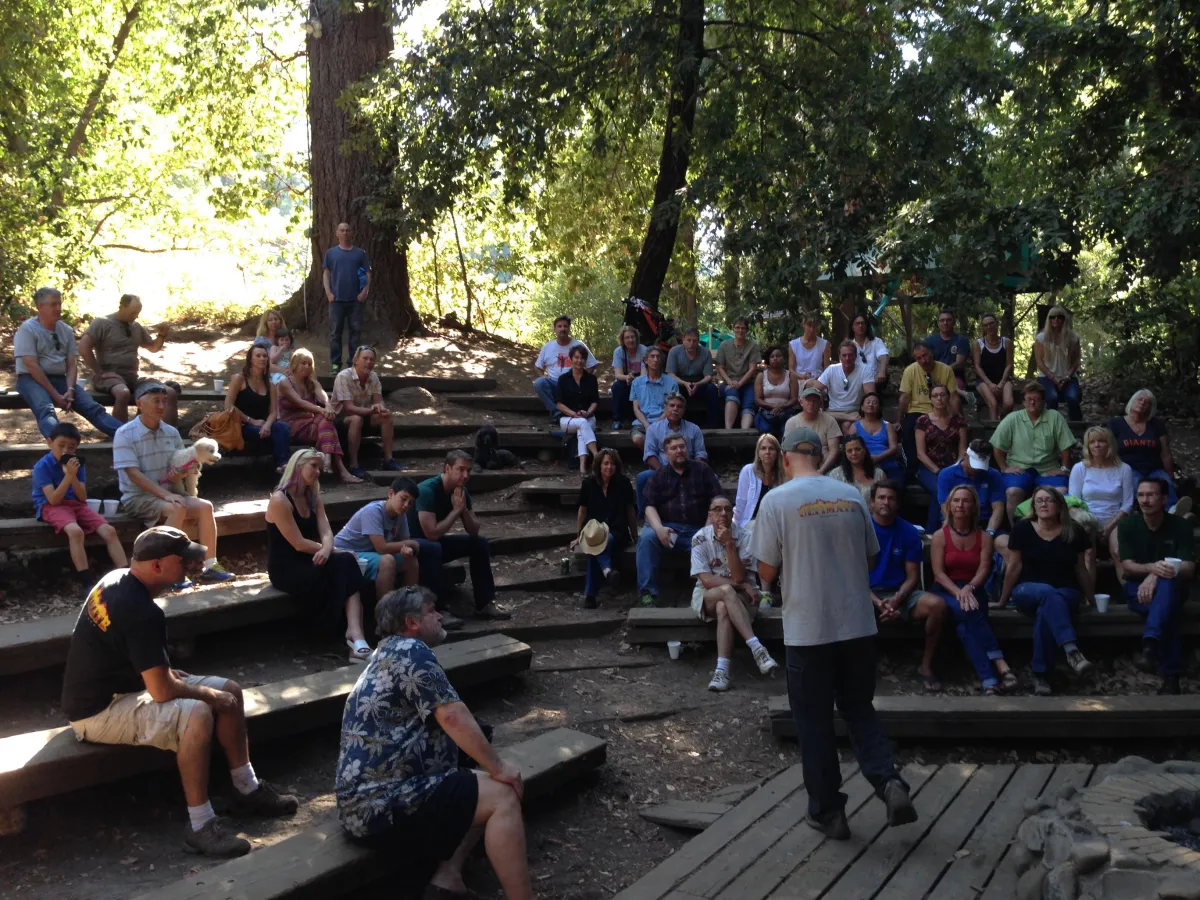
Join a Group Zoom Preview Call with Dr. Mark Schillinger, Founder of Young Men's Ultimate Weekend.
"YMUW Was Featured on CNN's award winning show "This is Life with Lisa Ling"
To watch the episode, visit CNN.com or HBOMAX and search for "Lost Boys, Lisa Ling"









Also Featured On:
ALSO FEATURED ON:





"YMUW Was Featured on CNN's award winning show "This is Life with Lisa Ling"
To watch the episode, visit CNN.com or HBOMAX and search for "Lost Boys, Lisa Ling"
TAKE THE CHALLENGE
Take the Challenge
Get ready for the ride of your life.
The Young Men's Ultimate Weekend is a life changing adventure where you'll experience excitement, adventure and fun (and great food).
The "Ultimate Weekend" is a modern day rite-of-passage experience where you will be challenged and mentored to take the step up from boy to young man.
It's Your Adventure
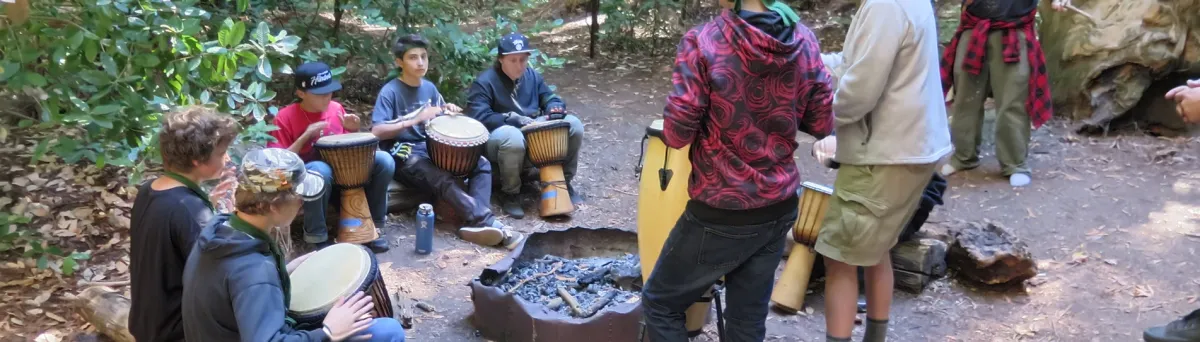
At the Weekend you’ll learn how to connect with your masculine wisdom by making hip-hop beats, conquering the obstacle course, playing sports, participating in a sweat lodge, learning martial arts & yoga, working in teams and overcoming your deepest fears.
Trust us, you'll love it.
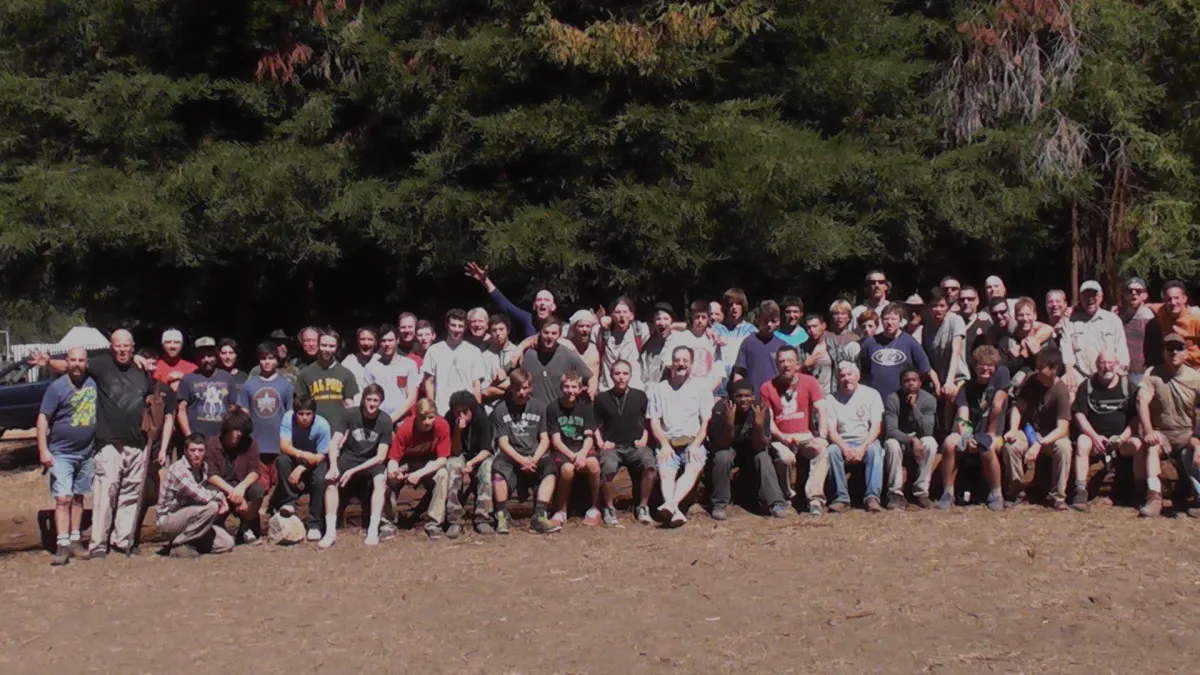
The Young Men's Ultimate Weekend began in the year 2000 and has had approximately 3500 young men graduate. We are a non-profit staffed entirely by volunteers devoted solely to helping you succeed in the modern world.
Learn How to Mentor Your Son So the Lessons He Learns at The YMUW Becomes Permanent
While your son is attending the YMUW, we highly recommend that all parents participate in a live event and on an online course. These two activities have helped parents just like you to enjoy more caring and cooperative relationships with your spouse and son.
1) a rite of passage for parents which will initiate you into a new, more effective way of parenting your son. This rare, live event will show you how to masterfully mentor your son so that he can calmly, clearly and confidently handle his transition from boyhood to adulthood.
2) an online course that will teach you how to more effectively use your authority and influence with your son in a way that minimizes conflict and maximizes cooperation. You’ll learn a new method of parenting teens that will foster the healthy development of your son’s emotional intelligence, whether your son is an extrovert or introvert, over-empowered or under-driven, overconfident or unwilling, entitled or indifferent.
Motivate Your Son More Effectively - Without Nagging or Yelling
The in-person rite of passage and the online course are led by Dr. Mark Schillinger, YMUW Founder, and past YMUW President, David Bohegian.
Together, they’ll mentor you so that you’ll be able to skillfully guide your son in a way that will motivate him to become more cooperative inside of your home, more responsible outside of your home, more confident of himself and more relaxed with the world.
Their original method of parenting, The RIGHT Way for Family Unity, integrates practical ancestral wisdom from small tribes, and combines it with the best insight from the sciences of positive discipline, stress management, adolescent brain development, personal growth and parent-child bonding.
Important Note:
Your son may be suffering from the anxiety and stress of being overly attached to his digital devices and consistently having to handle school responsibilities. Our system of mentoring young men will provide you with a clear roadmap that will allow him to overcome these obstacles. By using this method, you’ll be able to confidently lead your son in the right direction.
Is It Mandatory That Parents Participate?
It’s been our experience that when parents and their sons are using the same technology that encourages shared values like respect, cooperation and resilience, they have a much higher probability that they’ll achieve the true family unity they desire.
That said, it is not a requirement that you attend this workshop in order for your son to participate in the YMUW. We have an open-door policy, so if parents change their mind when they drop off their sons at the YMUW, they can still attend!
Good To Know: Lisa Ling also praised the events Dr. Mark leads for parents as well as her support for the YMUW
It Takes a Village
Parents no longer have the assistance of their community in raising young men who can take good care of themselves, their family and their community. In one transformational weekend, our trained mentors provide a safe setting for your son to voice his concerns about adulthood, discover his own values and learn the importance of teamwork.
The YMUW community empowers young men to develop self-respect by mastering their strengths and overcoming their weaknesses.
The Purpose of YMUW
To provide young men a weekend filled with incredible fun and challenges, while building a solid foundation for a confident and successful adulthood, through learning the importance of teamwork, developing a sense of accomplishment and acquiring leadership skills.
Dr. Mark Schillinger, D.C., is both the Executive Director of the Young Men’s Ultimate Weekend, Inc (YMUW), and the sole owner of Challenging Teenage Sons, Inc (CTS). This notice is in compliance with California Non-profit Law (section 5000) and the California Business and Professions Code (Sections 5230 through 5239, and Section 10133) and applies to any activities coordinated between YMUW and CTS.
Facebook
Instagram
X